
Community & National Leadership: Building Bridges Between People, Policy & Progress
Introduction
Leadership is generally linked with organizations, offices, and the process of making decisions.
But true leadership involves going even deeper.
It involves understanding people, listening to communities, promoting dialogue, and linking ideas to action.
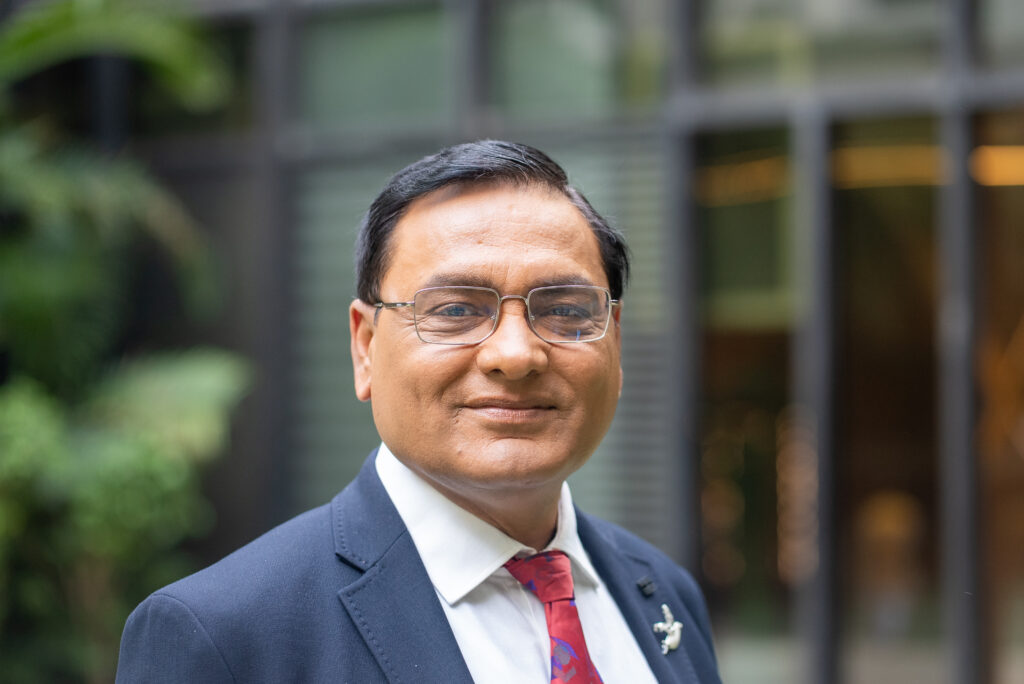
The career of Dr. Zaheer Khan shows an evolution from research and public health to establishing institutions, engaging with the community, providing education, and assuming a broader role in public life.
The key idea behind this journey is that national development should stay linked to people.
Leadership Begins With Understanding
To be an effective leader, one must understand the realities that people experience.
Research can provide evidence, institutions can establish systems, and policies can determine the direction.
Communities ultimately feel the impact of those decisions.
That is why leadership should stay connected to the actual conditions at the grassroots level.
The importance of bringing together these various perspectives is reflected in Dr. Khan’s work across research, public health, education, social development, and public engagement.
Connecting People and Institutions
There is frequently a difference between policy and real-life experience.
Filling that gap involves communication, a deeper understanding, and genuine engagement.
Community leadership can help establish stronger links between institutions and the people they serve.
It can encourage conversations around:
- Education
- Public health
- Social development
- Community participation
- Public awareness
- Social harmony
- Nation building
The Importance of Grassroots Engagement
Transformation isn’t limited to large institutions.
This also occurs within communities.
Educational projects, awareness campaigns, social outreach activities, and community involvement can bring about real change at the grassroots level.
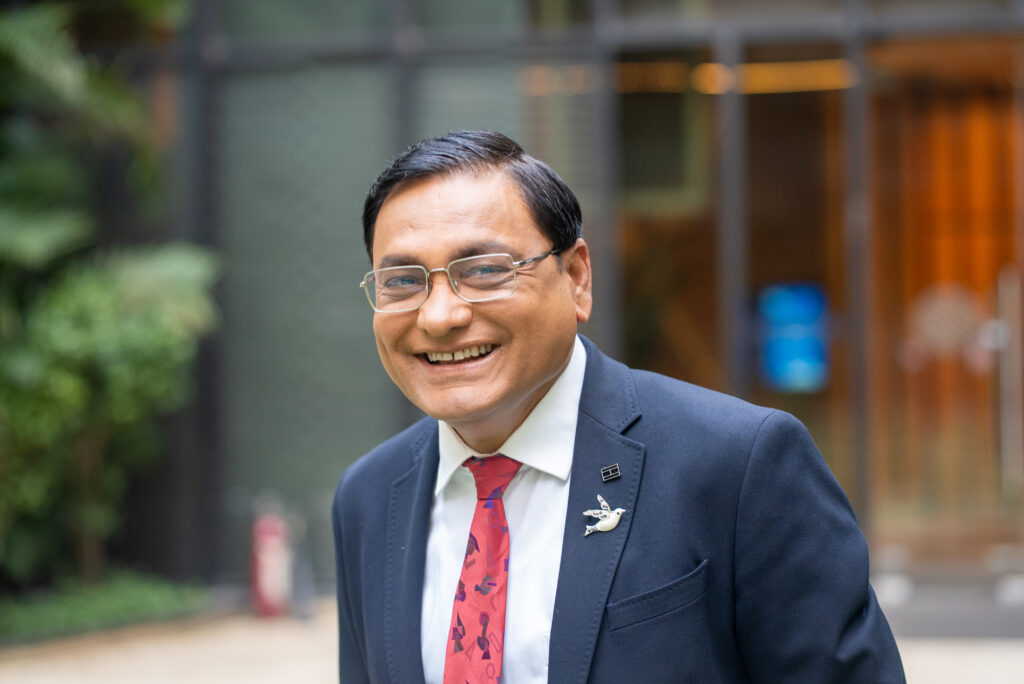
The social impact of Dr. Khan’s work has included education, raising public health awareness, promoting community participation, fostering social harmony, and implementing initiatives for social development.
This shows a more general conception of leadership — one that values participation over distance.
From Researcher to Public Thinker
What Dr. Khan’s experience shows is that expertise can develop through gaining experience.
Research enables one to ask questions.
It is an opportunity to gain an understanding of different points of view.
Institution building establishes systems by which ideas can be put into action.
It combines all these elements.
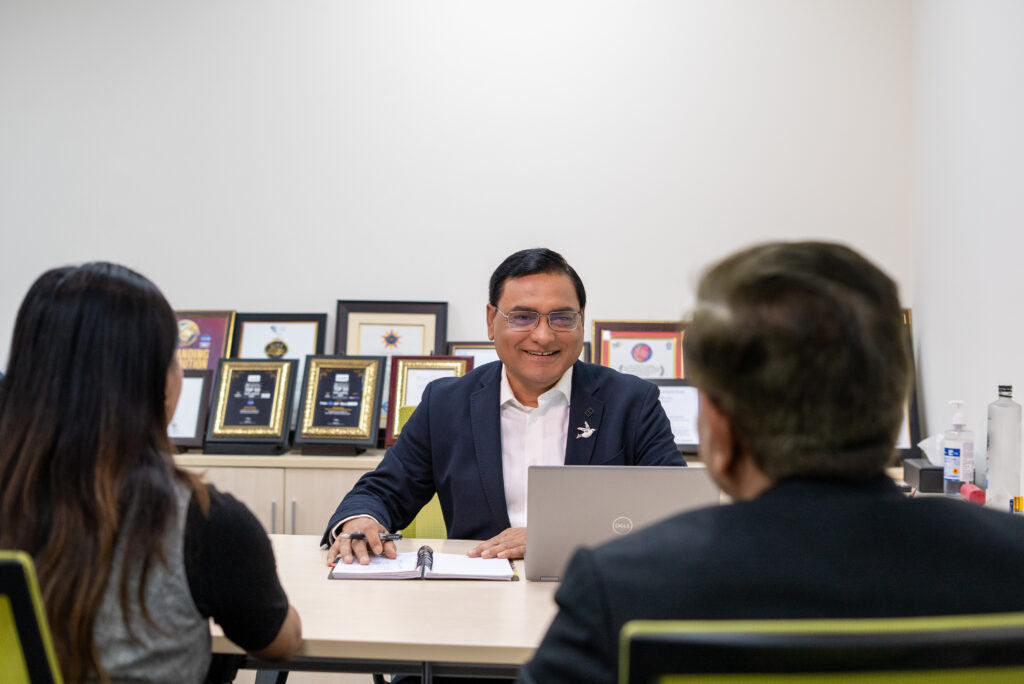
The transition in this journey — from researcher to institution builder, from scientist to public thinker — reflects a constant dedication to applying knowledge and evidence for broader social impact.
Responsible Leadership for Bharat
Building a nation is a long-term process.
What is needed are informed citizens, robust institutions, responsible leadership, and substantial dialogue.
Leadership must not be concerned solely with immediate results; it should also consider the effects of today’s decisions on future generations.
A strong Bharat needs leadership which is able to link knowledge with responsibility and ambition with understanding.
Building Bridges Through Dialogue
People make communities stronger when they can take part in important conversations.
Dialogue provides the opportunity to understand different points of view, recognize the concerns that are shared, and move towards common goals.
This is particularly important for a country such as India which is diverse.
Community leadership can thus contribute to a stronger sense of social understanding by engaging people in the development process.
A Continuing Commitment to Bharat
Leadership isn’t the end of a journey.
It is a continuing responsibility.
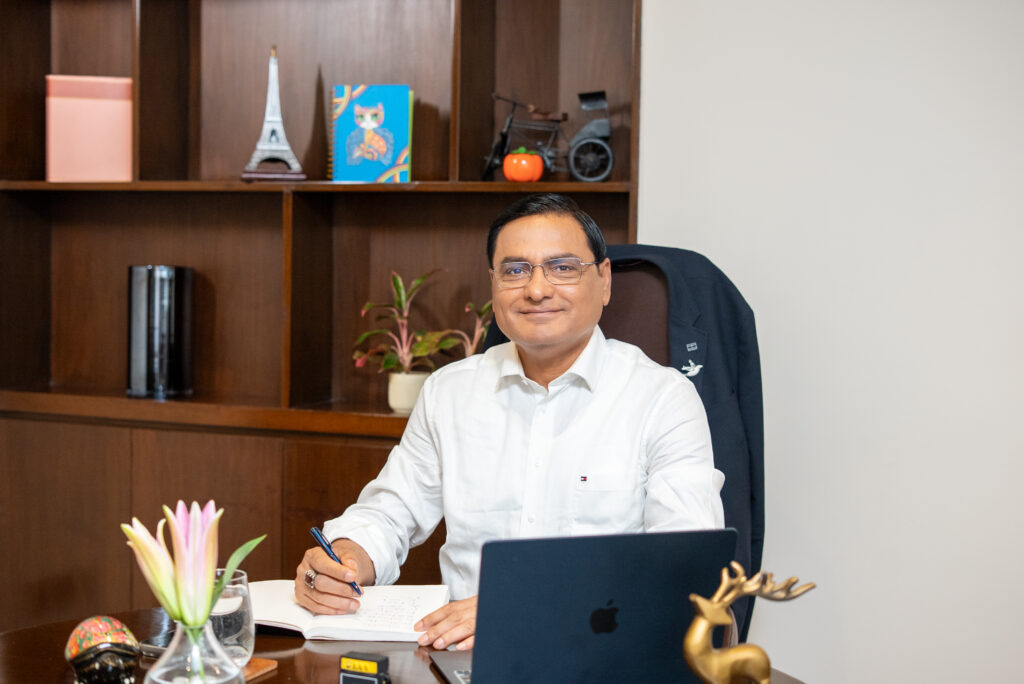
Dr. Zaheer Khan’s career in research, public health, institutional development, education, community engagement, and public leadership demonstrates that he has always been committed to understanding Bharat and helping it develop.
The central idea remains simple:
Knowledge should create understanding.
Understanding should create dialogue.
Dialogue should lead to responsible action.
And responsible action can help build a healthier, stronger, and more informed Bharat.