The NFHS Revolution: Building India’s Health Intelligence
Introduction
The progress of India’s public health has always been based on its capacity to understand the health and well-being of its population. It is necessary to have reliable information on families, nutrition, reproductive health, population dynamics, and access to healthcare to design effective public systems.
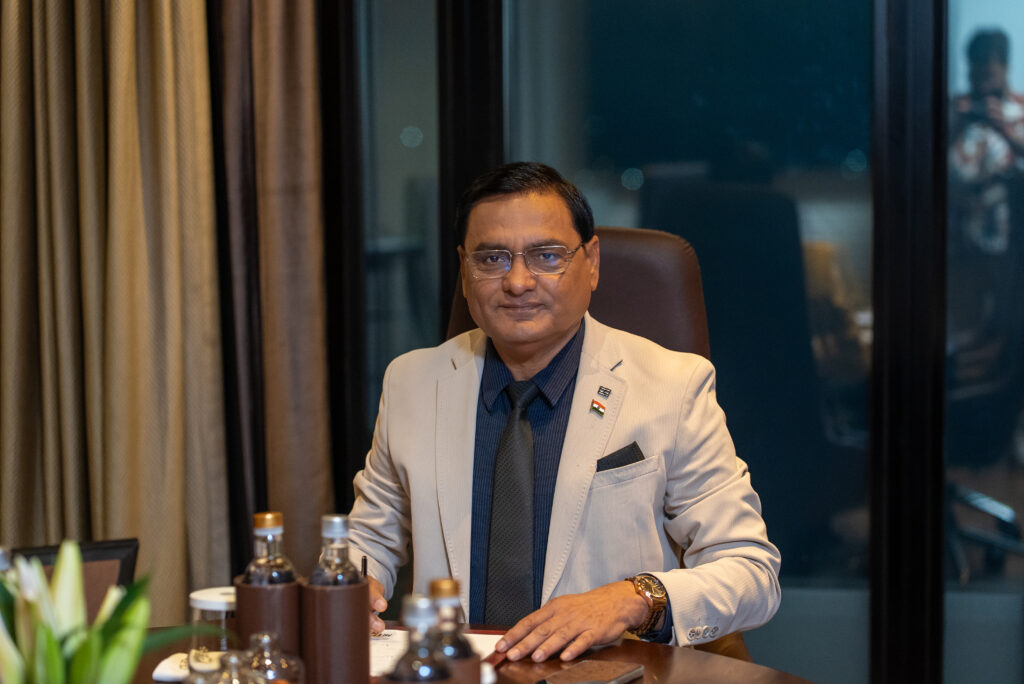
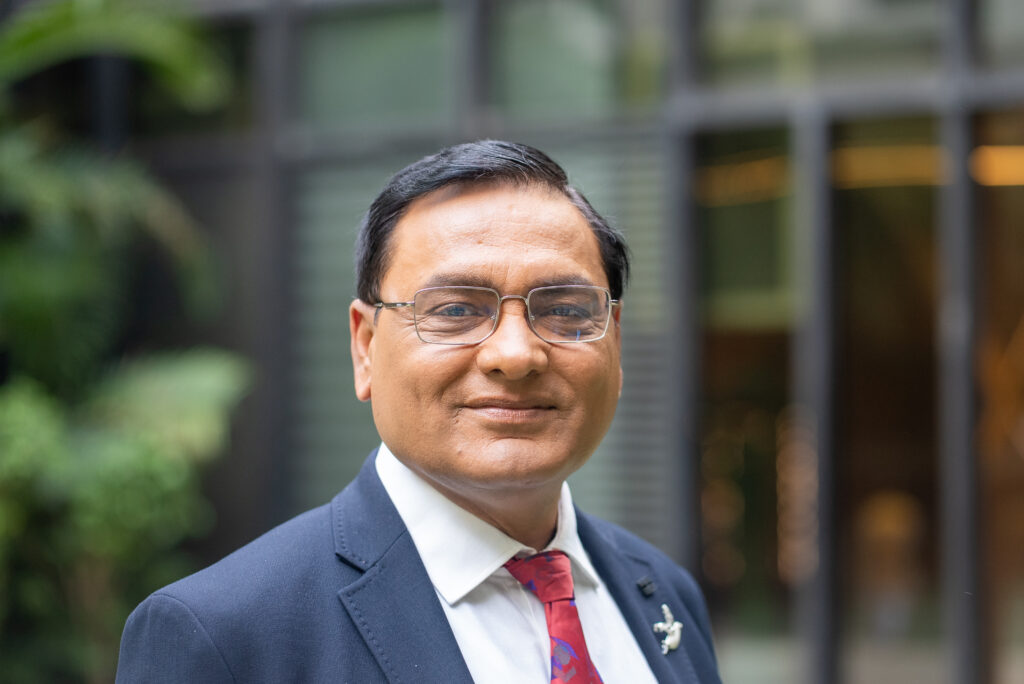
Dr. Zaheer Khan was involved in the National Family Health Surveys in India and made contributions to both NFHS-2 and NFHS-3, as well as carrying out work in large-scale field operations, survey implementation, training, monitoring and demographic research.

From Data Collection to National Evidence
Large-scale surveys need much more than just questionnaires; they need carefully designed instruments, a team that is properly trained, consistent field procedures, monitoring, and reliable data collection.
The portfolio states that Dr. Khan took part in the development of the survey instruments, arranged training in 29 states, kept an eye on the fieldwork, and assisted in preserving the integrity of the large-scale data collection.
It has helped to strengthen the evidence that is available for understanding India’s health and population situation.
Why Health Data Matters
Health data only becomes meaningful to the extent that it enables organisations to understand actual problems and make informed decisions.
The work carried out by the NFHS provided evidence on a range of issues such as maternal health, nutrition, sanitation, family planning, and immunization; the portfolio states that the surveys have become an important basis for evidence-based public health policy in India.
From Evidence to Impact
For Dr. Khan, his research has not been confined to the gathering or publication of information; rather, it involves linking evidence, analysis, and systems thinking with practical solutions.
This philosophy reflects an important principle:
Better information can help people understand more, and better understanding can help them make better decisions.
Looking Ahead
India’s health problems will continue to change alongside its population and society, so robust health intelligence will always be necessary for institutions, researchers, and policymakers.
The episode with the NFHS marks an important phase in Dr. Khan’s professional career since it involves research, practical field experience, data, and public health.