
From Global Exposure to Local Transformation
Introduction
The development problems facing India are complex, and to understand them, it is necessary to draw on experiences from outside the country while staying closely tied to local conditions.
His professional career involved working and collaborating with various international organizations, including the University of North Carolina, Futures Group International, Johns Hopkins University, and UNICEF.
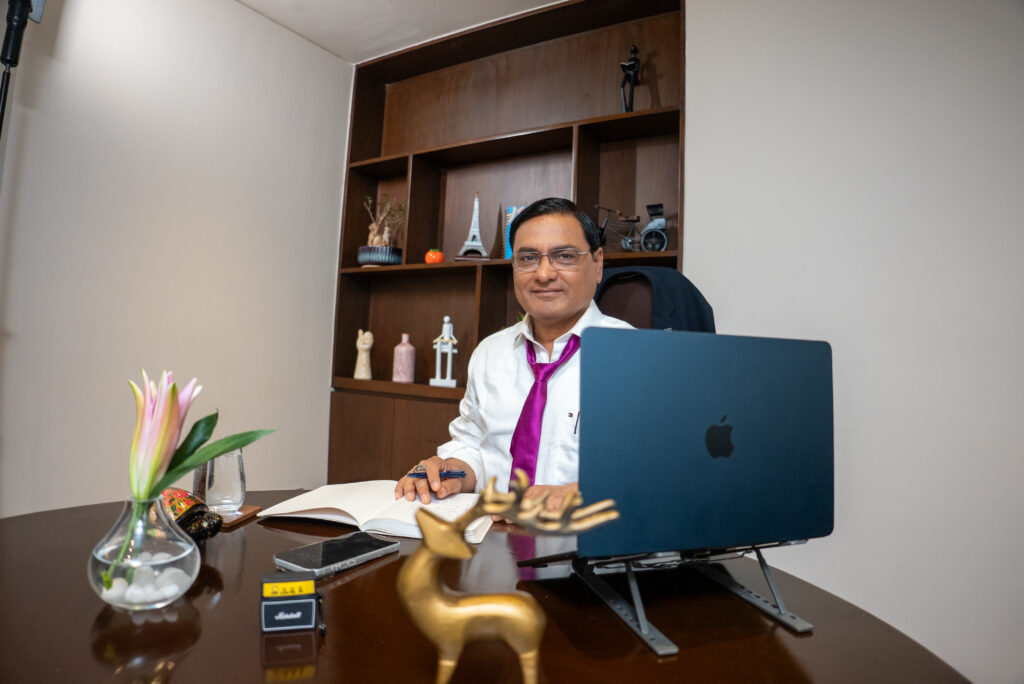
Learning From Global Research
While Dr. Khan was gaining international professional experience, his work included studies on population dynamics, research on health systems, program evaluation, and the use of development methodologies.
The experiences gave access to various research methods and international viewpoints.
Bringing Global Learning Into Indian Contexts
Global knowledge only acquires meaning when it is thoughtfully adapted to local conditions.
India possesses its own demographic patterns, institutions, communities, and development challenges; therefore, solutions must take into account the realities of the people and the systems they are meant to serve.
The document refers to this phase as the one in which Dr. Khan developed his belief in the need for global cooperation to achieve local transformation.
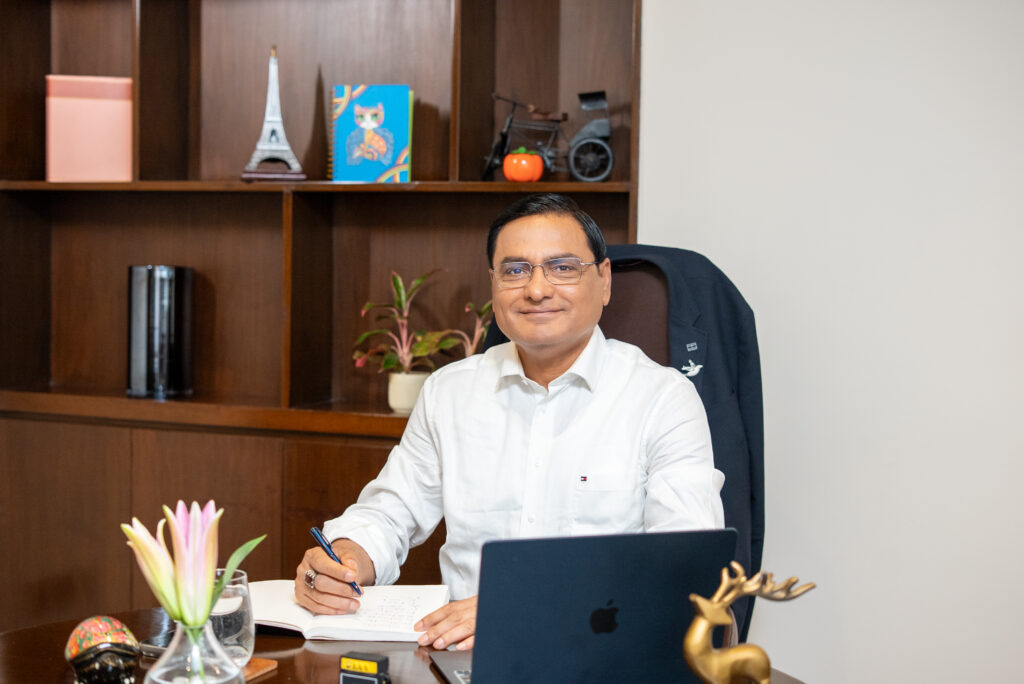
Connecting Research and Development
The organization’s international exposure also enhanced its experience in program planning, monitoring and evaluation, data analysis, and evidence-based decision-making.
These abilities were later relevant to his work in research, institutional development, public health, and social development.
A Wider Perspective on Bharat
To understand India, it is not necessary to study the country by itself.
That involves understanding its place in the evolving global landscape while taking into account local communities and national priorities.
The combination of global learning and local understanding can be used to develop more relevant and practical methods for addressing development.
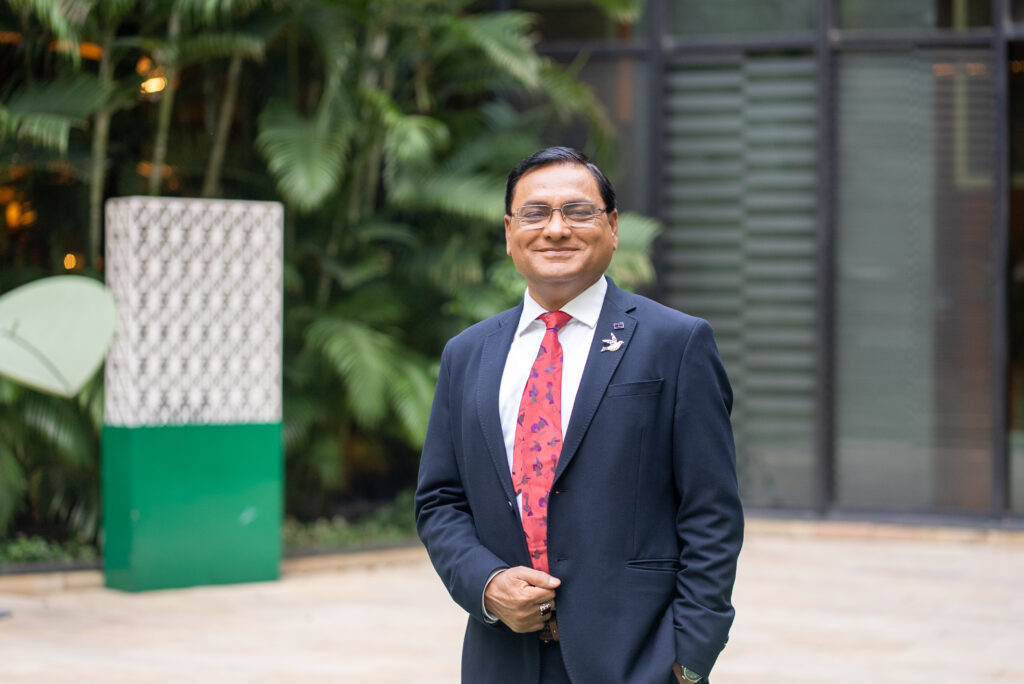
Conclusion
The global professional experience Dr. Khan has had is an important element of his broader journey, as it has enabled him to learn from other research settings and apply that experience to understanding the challenges facing India.